top of page


Where Well Water Comes From: Aquifers 💧
Most well water comes from underground water sources called aquifers.

An aquifer is a layer of porous rock, sand, or sediment that holds groundwater. This groundwater originates from rain and snow that slowly filter through the soil and natural rock layers beneath the earth’s surface.
Wells are drilled into these aquifers to access this natural
water supply for homes.

Potential Contaminants in Well Water ⚠️
Unlike municipal water systems, well water is not treated or regulated
by a city water facility before entering your home.
While aquifers provide a natural water source, groundwater can still pick up substances as it travels through soil, farmland, rock layers, and surrounding land.
Groundwater can slowly absorb invisible materials from the environment and eventually reach private wells.

Because groundwater moves slowly underground, contaminants can travel long distances and sometimes reach wells even if the original
source is miles away.
Many of these contaminants are invisible, odorless, and tasteless, making them difficult to detect without proper water testing.
For this reason, homeowners who rely on well water should consider
regular testing and proper filtration to ensure their water is safe and clean.

Wells Typically Contain:
-
Bacteria
-
Coliform
-
Pesticides
-
Herbicides
-
Heavy Metals
-
Arsenic
-
Cadmium
-
Sulfur
-
Lead
-
Iron
-
Magnesium
-
Mercury
-
Silica
-
Uranium
-
Calcium
-
Nitrates
-
Sediment
-
Glyphosate (round up)
-
Forever chemicals (PFAS)
-
Volatile Organic Compounds (VOCs)


Well Water vs City Water
City water is treated by municipal facilities and
typically contains disinfectants such as chlorine and fluoride.
Well water comes directly from underground aquifers and is not treated or regulated by a municipal system.
This means homeowners are responsible for monitoring and maintaining the quality of their water.

Because every well is different, no single filtration system works for every home.


Targets the exact contaminants in your water
Based on profesional lab test results
Combines multiple treatment stages in one system
Efficient, reliable & easy to maintain
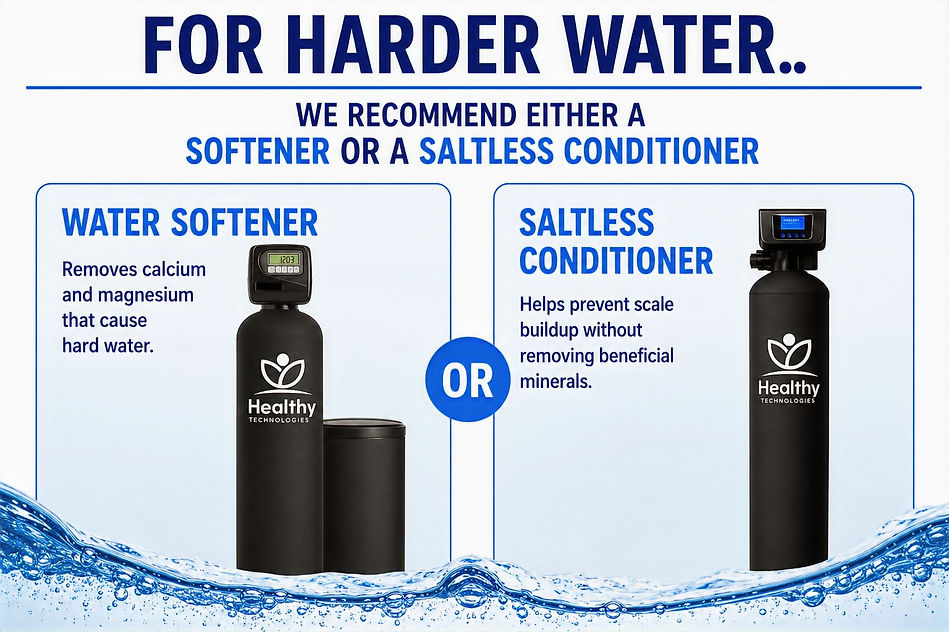
Filters for Wells:

Custom-Built Multi-Media Filtration System


bottom of page