top of page
Softener HT blue.png

Softener

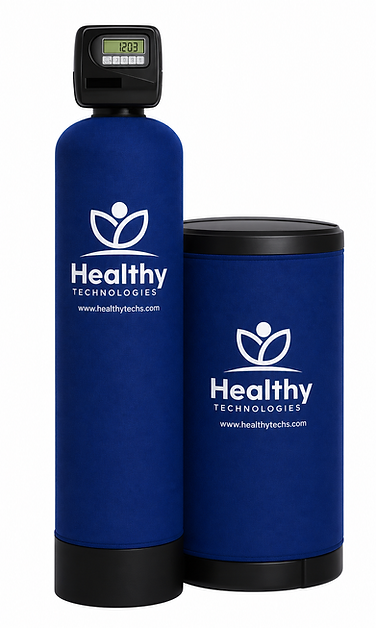
Premium Electronic Water Softener​​

Enjoy softer water throughout your entire home while helping protect your plumbing, fixtures, water heater, and appliances from damaging hard water scale.


Our premium softener automatically adjusts to your household's water usage, delivering efficient, on-demand soft water while reducing salt and water consumption.

Unlike traditional timer-based systems, it regenerates only when needed, maximizing efficiency and lowering operating costs.

Prices vary based on your water hardness level and household water usage.

Experience the Benefits of Soft Water


✔ Softer skin and hair

✔ Cleaner dishes, glassware, and fixtures

✔ Helps eliminate hard water scale buildup

✔ Brighter, softer laundry

✔ Extends the life of plumbing and appliances

✔ Uses less soap and detergent

✔ Fully automatic operation

How-a-Water-Softener-Works--Ion-Exchange

How a Water Softener Works

Hard water contains naturally occurring minerals, primarily calcium (Ca²⁺) and magnesium (Mg²⁺). While these minerals are not harmful to drink, they can create hard water problems throughout your home, including scale buildup, soap scum, dry skin, and reduced appliance efficiency.

As water flows into the softener, it passes through a tank filled with thousands of specialized resin beads. These beads are charged with sodium ions (Na⁺).

Step 1: Hard Water Enters the System

The resin beads attract and capture the hardness minerals (calcium and magnesium) from the water. In exchange, the beads release small amounts of sodium ions into the water. This process is called ion exchange.

The result is softened water that is free of the minerals responsible for hard water scale.

Step 2: Ion Exchange Process

Once treated, the softened water is delivered to every faucet, shower, appliance, and fixture in the home.

Step 3: Softened Water Flows Throughout Your Home

Over time, the resin beads become saturated with calcium and magnesium and need to be recharged.

The softener automatically initiates a regeneration cycle, where:

Step 4: Automatic Regeneration Cycle

1. Salt water (brine) from the brine tank flows through the resin bed.

2. The concentrated sodium solution removes the captured hardness minerals.

3. The calcium and magnesium are flushed away.

4. The resin beads are recharged with sodium ions and ready to soften water again.

Smart On-Demand Technology


Unlike traditional timer-based softeners, our advanced metered system monitors your actual water usage and regenerates only when necessary.

This Means:

✔ Greater efficiency
✔ Reduced salt consumption
✔ Reduced water usage
✔ Consistent soft water throughout your home
✔ Lower operating costs

The intelligent control valve automatically adjusts to your family's changing water needs, ensuring optimal performance year-round.

What Soft Water Can Do For Your Home

Soft water helps reduce mineral deposits that cause spotting, scale buildup, and hard water stains on faucets, shower doors, tile, and sinks.

Cleaner Fixtures & Showers:

Clothes washed in soft water often feel softer, look brighter, and may last longer because minerals are not trapped in the fabric.

Softer Laundry:

Hard water minerals can accumulate inside water heaters, dishwashers, washing machines, and plumbing systems. Soft water helps protect these investments and improve efficiency.

Appliance Protection:

Soft water allows soaps and detergents to work more effectively, helping reduce product usage and improving cleaning performance.

Less Soap & Detergent:

Looking for a Salt-Free Alternative?

Screenshot 2026-07-14 at 7.10.40 PM.png

❓ Frequently Asked Questions

Q: What does a water softener do?
A: A water softener removes hardness minerals, such as calcium and magnesium, from the water through an ion-exchange process. This helps prevent scale buildup on plumbing, fixtures, water heaters, and appliances while improving soap performance and reducing spotting.

Q: How do I know if I need a water softener?
A: Common signs of hard water include white scale buildup on fixtures, spots on dishes and glassware, dry skin, dull hair, stiff laundry, reduced soap lather, and premature wear on water-using appliances.

Q: Does a water softener remove hardness minerals?
A: Yes. Unlike salt-free conditioners, a water softener physically removes calcium and magnesium hardness minerals from the water.


Q: Does it require salt?
A: Yes. Water softeners use salt during the regeneration process to recharge the resin media that removes hardness minerals from the water.

Q: Does it use electricity?
A: Yes. The electronic control valve uses a small amount of electricity to monitor water usage and automatically initiate regeneration cycles when needed.

Q: Does it require a drain connection?

A: Yes. Water softeners require a drain connection to discharge water during the regeneration process.

Q: Does it have an automatic backwash head?
A: Yes. The control valve automatically performs regeneration and backwashing cycles to clean and recharge the resin media for continued performance.


Q: Does it waste water?
A: Water softeners use water during regeneration cycles. However, our premium electronic metered systems regenerate based on actual water usage rather than a timer, helping maximize efficiency and minimize water consumption.

Q: Does it add sodium to the water?
A: Yes. During the softening process, small amounts of sodium are exchanged for hardness minerals. The amount varies depending on the hardness of the incoming water.

Q: What is the lifespan of the resin media?
A: Under normal residential use and proper maintenance, the resin media can typically last 10–15 years or longer before replacement is needed.

Q: What level of hardness can it handle?
A: Our premium water softener is designed to effectively treat even very hard water conditions commonly found throughout the United States.

Q: Will it eliminate water spots?

A: A water softener significantly reduces spotting caused by hardness minerals. However, some spotting may still occur due to other dissolved solids remaining in the water.

Q: Does it require maintenance?
A: The primary maintenance requirement is periodically adding salt to the brine tank. Other than that, the system requires minimal maintenance under normal operating conditions.

Q: What are the benefits of a water softener?
A: A water softener helps protect plumbing and appliances from scale buildup, improves soap and detergent performance, reduces spotting on dishes and fixtures, extends the lifespan of water-using equipment, and provides softer-feeling water throughout the home.

Q: Can it be installed outdoors?
A: Yes. The system can be installed outdoors when properly protected from direct sunlight, extreme temperatures, and freezing conditions.

Q: Why choose a water softener over a salt-free conditioner?
A: A water softener physically removes hardness minerals from the water, while a salt-free conditioner helps prevent scale formation without removing those minerals. Water softeners are often preferred when homeowners want the soft-water feel and maximum hardness reduction.

bottom of page